


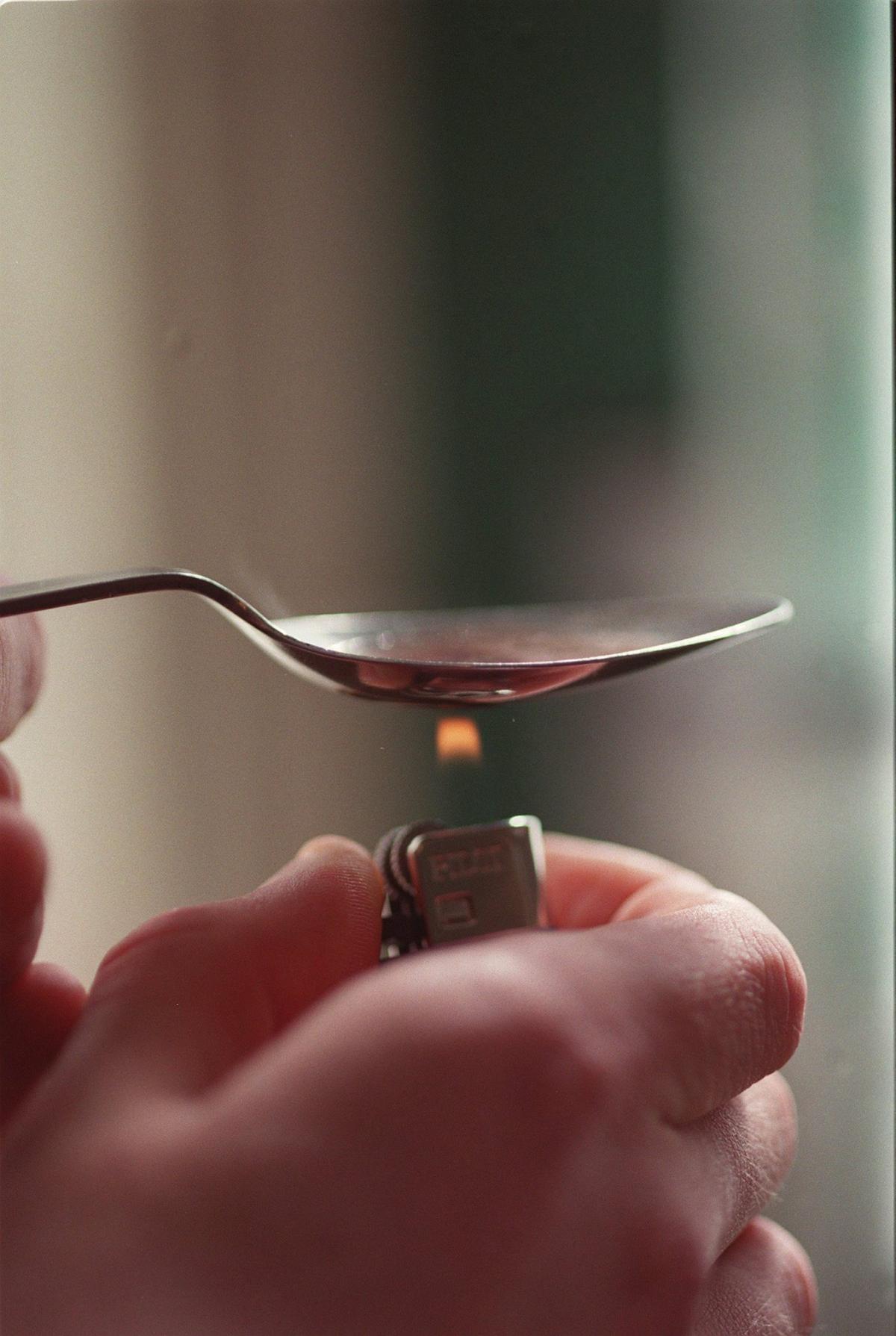


ONLY 20 veteran addicts are expected to be prescribed pharmaceutical grade heroin in the early stages of the UK’s first safe “fix” room, health planners have said.
The proposal for a safer injecting facility in Glasgow city centre includes plans for heroin-assisted treatment (HAT) for the most chaotic users, who have exhausted other options such as methadone or rehab.
Around 500 people are estimated to inject drugs in public places in the city centre regularly.
Read more: Glasgow drug addict 'fix room' proposal approved for further consideration
The initial case for the facility, presented by Glasgow Alcohol and Drugs Partnership to health and social care chiefs in the city said a “significant proportion” of them would be eligible for HAT.
However a spokesman for NHS Greater Glasgow and Clyde said only a handful of those using the so-called “shooting gallery” would be offered pharmaceutical grade heroin as a treatment for addiction.
Meanwhile, the health board said there was no evidence clients would deliberately fail to cooperate with treatment plans in the hope of getting heroin on prescription.
The safer injecting room was backed by Glasgow City Integration Joint Board this week, as a means to reduce the public nuisance of city centre drug use, improve the health of vulnerable users and cut the spread of blood borne viruses such as HIV and Hepatitis C.
Read more: Glasgow drug addict 'fix room' proposal approved for further consideration
A spokesman for NHS Greater Glasgow and Clyde said details were still to be agreed, but HAT was expected to be offered to around 20 users during the initial phase, and then gradually increased.
The scheme is based on the work of a Swiss clinic, but a recent English trial offered pharmaceutical heroin to fewer than 50 users.
The spokesman added: “The site would have specialist clinical staff who would have responsibility for assessment and management of individuals who meet the criteria for heroin assisted treatment and on-site specialist licensed doctors would be responsible for prescribing.”
The plan is that HAT will be reserved for those who have exhausted other options, he added, “individuals who have a record of having attempted conventional treatment including methadone maintenance, buprenorphine and/or abstinence based approaches.”
Others who do not qualify will be encouraged to persist with conventional treatments.
The health board does not expect HAT to reduce take-up of other options, the spokesman added: “There is very little evidence in the studies of heroin assisted treatment to support that this sort of behaviour occurs.
Read more: Glasgow drug addict 'fix room' proposal approved for further consideration
“Engaging with heroin assisted treatment requires considerable commitment as service users are required to attend the service multiple times a day and undergo continuous assessment.”
The health board argues that users in English trials were often keen to return to conventional treatment as an alternative to these burdens, he said.
A survey of intravenous drug users carried out by a working group on the scheme found that they welcomed it, although 16.8 per cent were worried about bullying and territorialism, while 9.7 per cent said they were worried about being seen going in.


Share