




It was a gloomy October morning and with the herring season over and the deep-sea line fishing season underway, there was no more than a slight slump on the barometer to warn Eyemouth’s fishermen of what lay ahead.
They’d set off into a gentle south-west breeze. As the morning passed there was a mild ocean swell and a few grim clouds - nothing to detract from the landing the day's catch.
The storm that battered Scotland's east coast with a rage rarely seen by even the hardiest of seadogs, came out of the blue.
“It came like a clap of thunder,” said one fisherman of the sudden violent changes in conditions as noon struck. Another likened the October 1881 storm to the shock of a cannon ball.

By the time it was done, 189 fishermen’s lives were lost - 129 of them from the small Berwickshire community.
Eyemouth lost 20 boats – almost half its entire fleet - many smashed against the Hurkar Rocks just beyond the harbour. Left in the storm’s wake were 80 widows and 260 fatherless children.
But it was not only left grieving a lost generation.
Read more:
- 'Time capsules of music history': meet the collector with 160,000 gramophone records
- The Birdman of Islay and the wild soap opera unfolding across Scotland’s islands
- We're all going on a summer holiday - to Scotland
“It set Eyemouth right back,” says Paul Wheelhouse, former SNP Scottish Government Minister for Energy, Connectivity and Islands and now South of Scotland Enterprise’s head of energy transition.
“Around that time there had been a push to expand the port. The fishing disaster took out a significant proportion of the local fleet and the chance for investment went to places like Peterhead instead.

“There was a sense that what happened that day went on to cost Eyemouth dear in terms of lack of investment.”
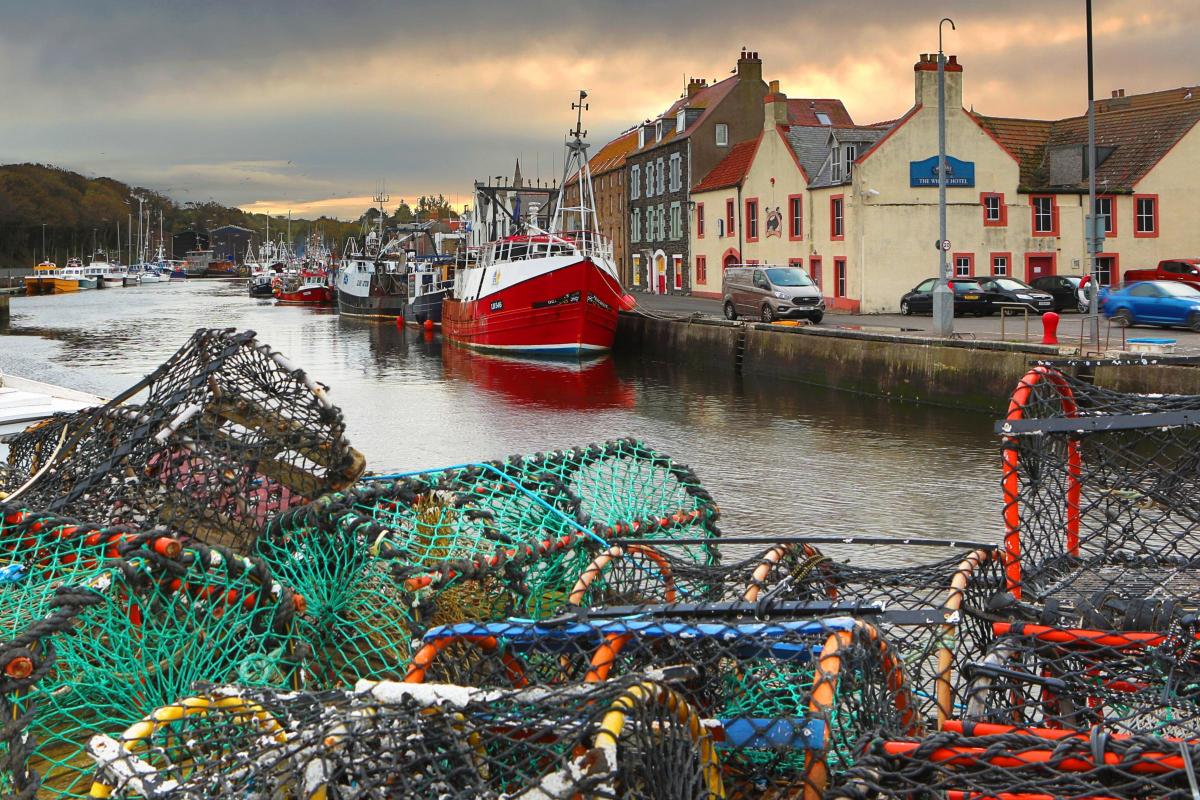
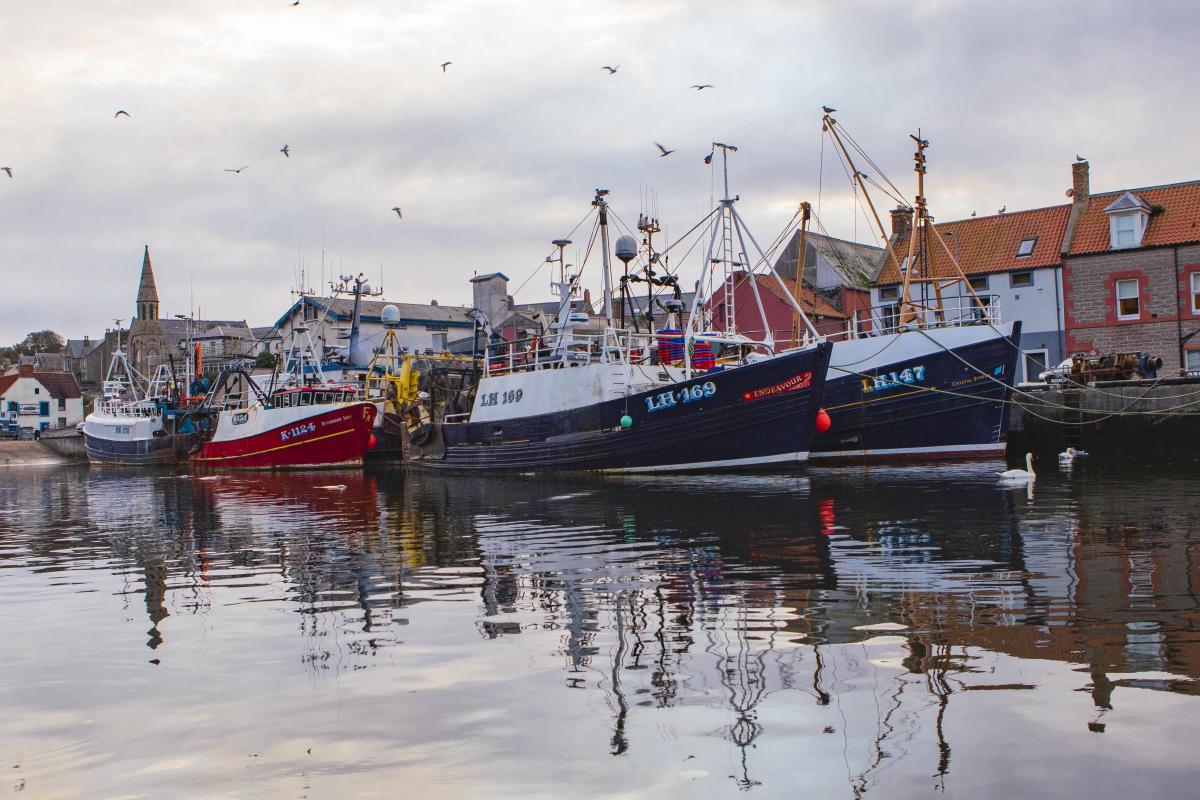
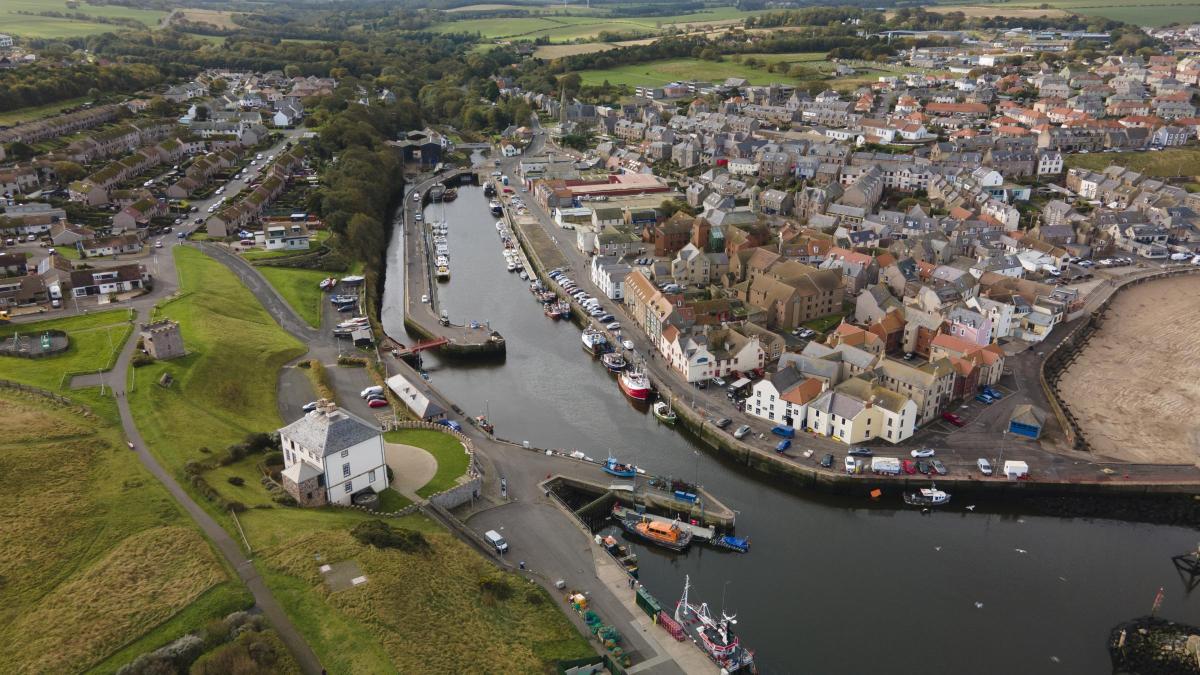
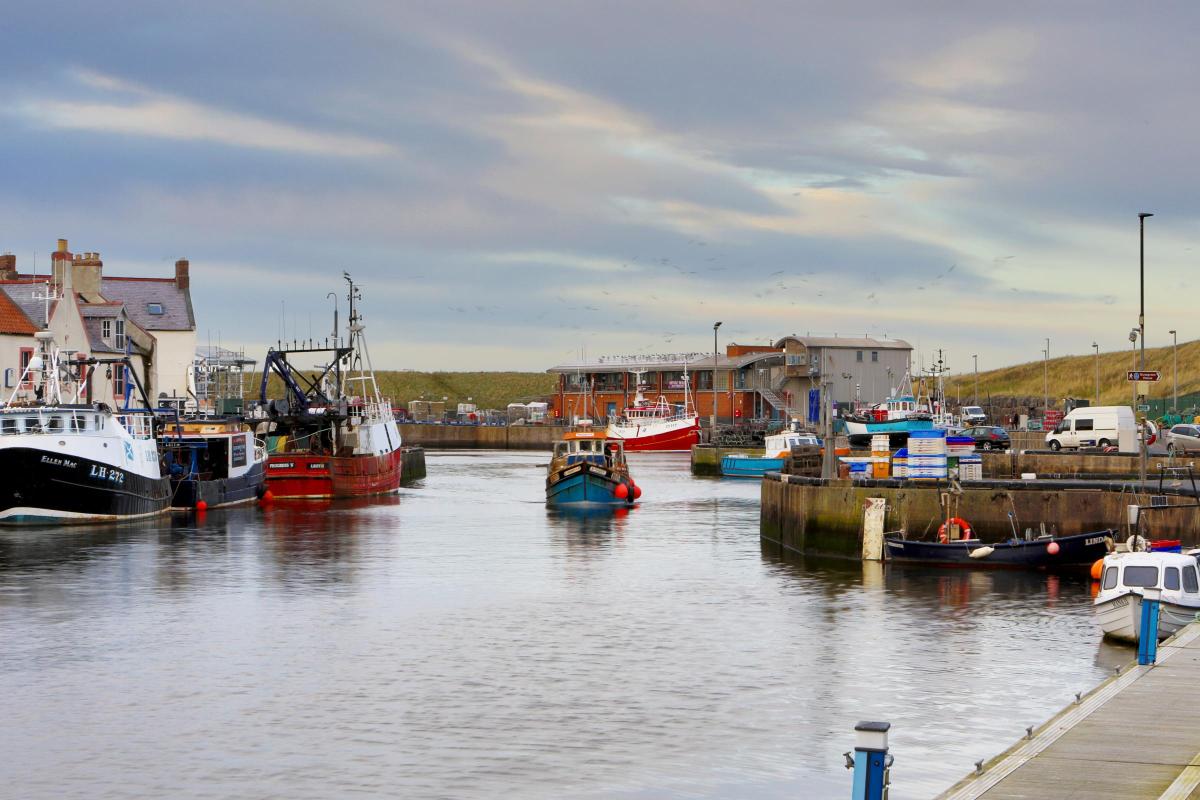
Forward to now and Eyemouth, where a handful of colourful boats that fish for crab, lobster, and langoustine – most bound for France - still hug the picturesque harbour and summer tourists savouring Giacopazzi's ice cream on the beach outnumber workers at the town’s seafood processing plant, is again bracing itself for whatever the sea breezes might bring.
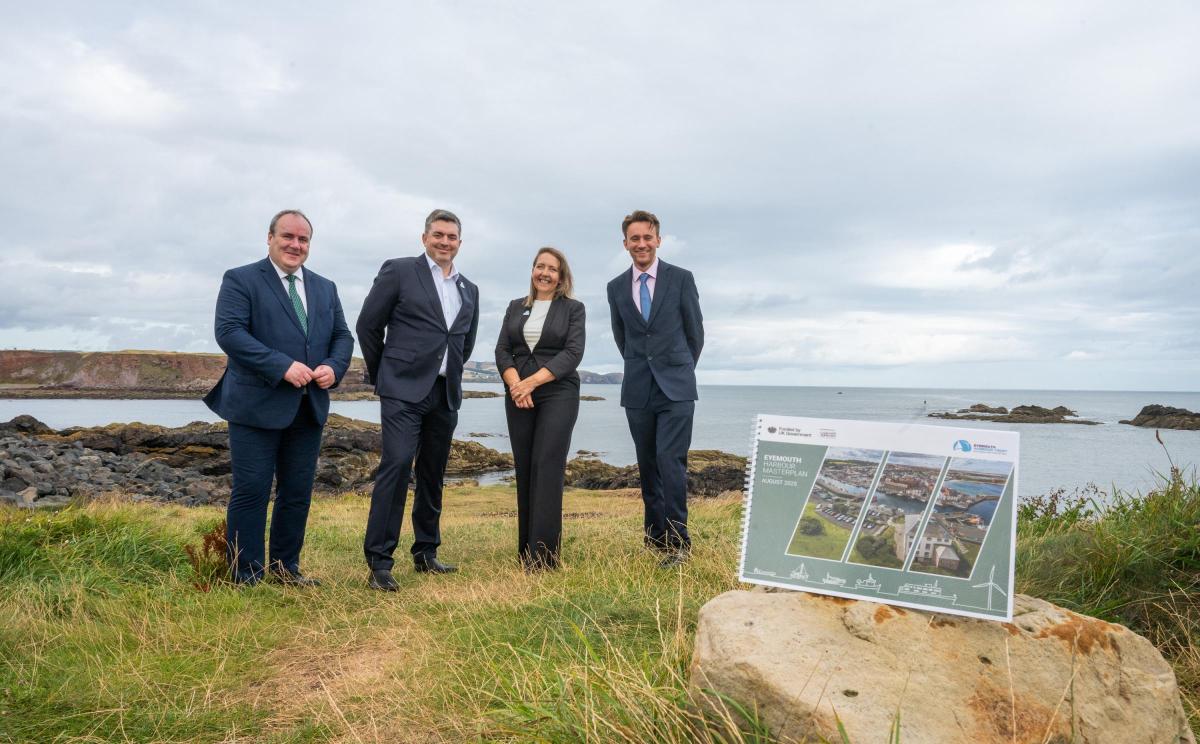
For on the horizon lie a series of plans for towering offshore wind turbines. And Eyemouth Harbour Trust, managed by a group of community-based trustees with a full time staff of just five, has a bold £250 million plan to create a major hub to serve them.
In December, it secured £1.4m from The Crown Estate's Supply Chain Accelerator for technical work to progress its proposed deep-water expansion.
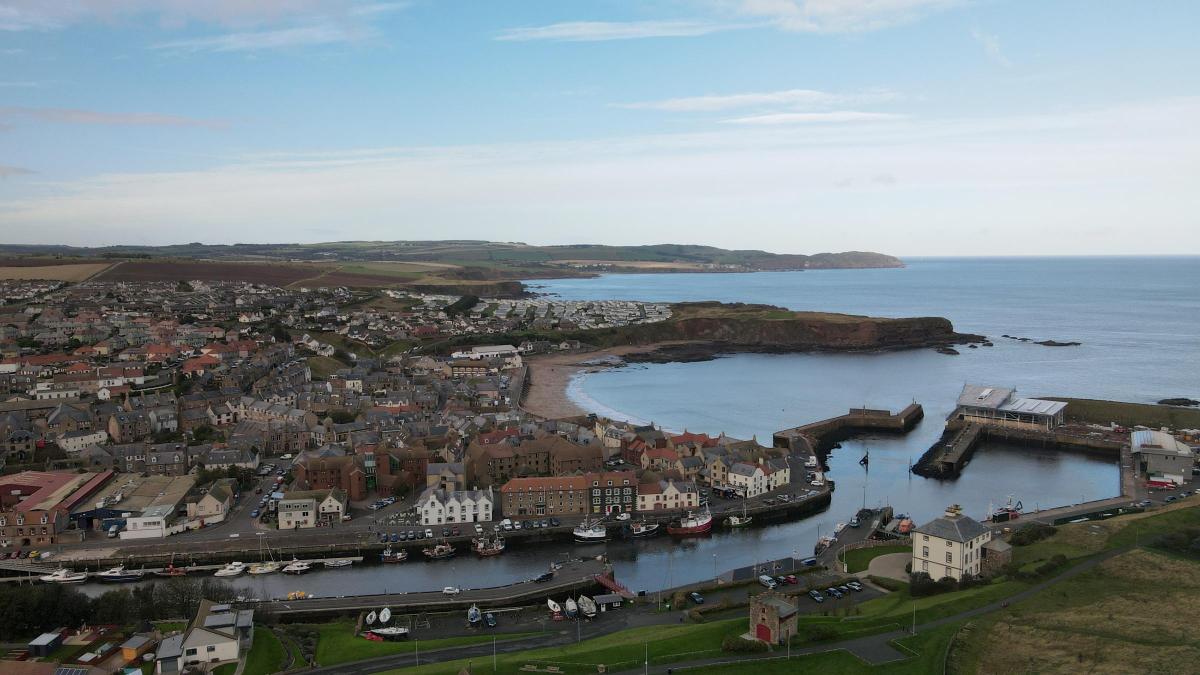
If all goes ahead, the fishing community with its harbour pier dating from 1747 and the natural harbour in use from the 13th century, stands to be dramatically transformed.

Along with new buildings, the new deep water harbour would involve blasting rocks and shifting sand to offer new access to cruise ships, larger fishing trawlers and cargo vessels, along with 700m of additional quayside berthing for marine leisure crafts.
Already there are signs of change.
The quaint harbour is now overlooked by a £10m operation and maintenance base for the Neart na Gaoithe offshore wind farm, with up to 50 staff.
Fishing vessels now serve as windfarm guard boats.
And alongside the traditional harbour buildings is the contemporary Eyemouth Harbour Pavilion. Paid for by government and council regeneration funds, the distinctive buildings with offices spaces and winter gardens would not look out of place in a bustling city's business district.
The Trust’s 50-year masterplan predicts an estimated 200 new jobs, new homes and millions of pounds for the local economy.
But not everyone is on board.
When it asked locals for feedback, responses were lukewarm: 27% disagreed with the harbour extension and concerns spanned wind, wave and sediment flows affecting the river and beach, impacts on the marine environment, diving and tourism, and whether the town could cope with cruises carrying up to 685 passengers at a time.
“There might be some disgruntled locals,” says local independent councillor James Anderson.
“We had a problem with one - not from Eyemouth - who went on AI and made fake plans that they put on the local Facebook page and said it would destroy the town and the beach will wash away.
“Everyone jumped on the bandwagon until the Harbour Trust said that was false information, but one or two have stuck with that narrative.
“There’s been misinformation on the project, just like you get on any big project.”
Some have questioned the scale of the proposals and the £250m price tag: who will pay and how, they wonder.
As one local pointed out this week: "They are spending millions but can't fix the road leading to my house. They'd be better making the place more attractive for tourists."
Argues Cllr Anderson: “Sometimes communities can be downtrodden. They don’t think their town is worth this big investment, that it’s not needed.
“But we are worth it and we should have it because if we don’t, the kids will be stuck in a little town with nowhere to go.”
However, among those with concerns are skippers and fishermen with generations of seafaring in their bones who understand the tides, sand and rocks, and worry the project will raise the risk of town flooding and destroy its beach.
Particularly sensitive among locals is the area around the Hurkars Rocks, where many of the 1881 fishermen perished. Often featuring in sunrise and sunset photographs, the view risks being obliterated by a breakwater.
Alongside are worries that instead of finding a pretty harbour in a conservation town virtually unchanged from its 19th century heyday, tourists will be met by seafront areas sealed off behind walls and glossy new buildings.
As for the offshore wind farms the harbour aims to serve, there are already loud objections over 4.2GW Berwick Bank on seabirds and marine life – just one of six that Eyemouth’s expanded harbour hopes to serve.
The Trust masterplan concedes "there is likely to be a visual impact with views from the beach and town changed", that the impact of sand and sediment and erosion from the development is "unknown and could be positive or negative" and that scoping work will explore disturbance to marine mammals and cetaceans caused by vessels, noise and dredging and loss of habitat.
"It will be detrimental to the whole town," says former fisherman and charter boat skipper Ronnie Marshall.
"I don't dispute Eyemouth can do with some regeneration but I don't think is is the right route to go down.
"I think if they do what they say, we will lose the beach.
"If they block off the east entrance, there'll be nowhere for the river spate water to go. It will turn the beach into a muddy lagoon.
"By deepening the bay to 10m they'll have to take away a lot of sand and there'll be none to replenish the beach so it will be a stony mess.
Read more:
- Lost for nearly a century, St Kilda’s unique tweed is to be woven again
- Scotland’s pothole crisis: soaring costs, delays - and there's worse to come
- How long does it take for a hospital to answer a complaint? In my case, almost a year
"Tourism has been really kicking off here, it's busy and the beach is a major part of what people come here for.
"They talk about cruise ships. They will just ferry people off to places like Kelso and Jedburgh, and Eyemouth will just be a dropping off point.
"They play up talk about jobs from wind farms but it's offset by losing tourism and industrialising the town."
Indeed, the south of Scotland finally appears ‘on the up’ thanks to its image as an area waiting to be explored, with cycle and hiking trails, food and book events and the eventual arrival of leisure giant Centre Parcs.
Earmarked for a site around an hour’s drive from Eyemouth on the outskirts of Hawick, the £400m park will create 700 jobs through its construction phase and 1,200 permanent jobs once open.
It expects to attract 350,000 annual visitors - more than double the current number of overnight visitors to the Scottish Borders - and raises hopes of better roads, new accommodation and hospitality businesses and even an extended Borders railway to Hawick and Carlisle.
Soon the spotlight will be on the area courtesy of television presenter Alan Carr. The new owner of 17-bedroom Ayton Castle, just three miles south of Eyemouth, wants to document its revamp for a TV series.

Also boosting tourism is next year’s Tour de France: Stage 1 heads from Edinburgh and through the Scottish Borders towards Carlisle.
According to South of Scotland Destination Alliance, formed two years ago to represent the Scottish Borders and Dumfries and Galloway, tourism has already grown 33% - a rise of £250m – in that time.
“There are dozens of exciting good news stories, including the Kirkpatrick C2C 250-mile cycle route which ends in Eyemouth,” says David Hope-Jones, SSDA’s Chief Executive Officer.
“With Tour de France and our UCI cycle region accolade, cycle tourism is very much on the up.”
He points to next month's opening of the Deep Time Trail, a route marking the ‘father of geology' James Hutton’s Tercentenary that links one of his most profound theories, at Siccar Point, with the Berwickshire Coastal Path.

But will tourists eventually be disappointed to arrive in Eyemouth intent on exploring its fishing traditions, stories of smugglers and for boat trips to its rocky coastline, to find industrial buildings, towering walls and wind farm workers?
While some think so, local photographer and drone operator Douglas Melvin, who also works for the local fish processors, DR Collins, is one who could scarcely be more supportive.
“It’s definitely positive - it means jobs and opportunities for young folk as well as investment to the town," he says.
"Change is a good thing, otherwise the town will stagnate and fail.
“Some people aren’t completely in favour; they think it'll drive tourists away. But I think it's exciting and I hope this is us now on the brink of change.”


Share