



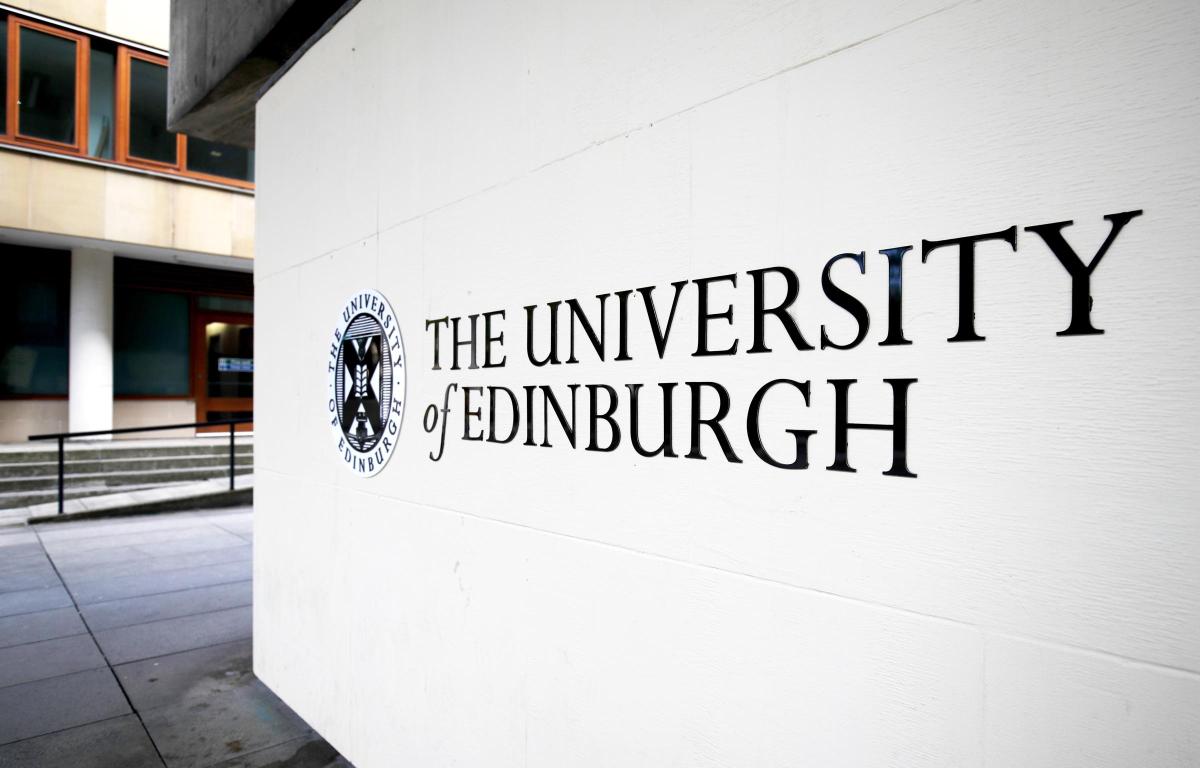

On Thursday, The Herald broke the news that Edinburgh University will close 90 programmes in its College of Arts, Humanities and Social Sciences (CAHSS).
Despite being met with strong opposition from many academics and renewed industrial action from the UCU, the university has insisted that the cuts are a necessary “refresh” of its academic portfolio.
However, with the mood on the ground darkening, such an optimistic approach will become only more difficult to sustain.
So what comes next for a university in turmoil?
The news that programmes in CAHSS will be pared down is not surprising. It has been presaged for months, with The Herald reporting in April that external consultants had been brought in to oversee the restructuring package.

Yet the scope of the cuts has been surprising. Ninety programmes in all, including 48 in the School of Literatures, Languages and Cultures, will be ‘taught out’, accepting their last students in 2027.
This, at the university ranked 4th in the UK and 9th in the world for study of the arts and humanities.
The restructuring bid is coupled with a £140 million savings drive, which senior managers have defended as necessary to “safeguard the university’s financial future”.
Conversations with union representatives paint a turbulent picture, with staff members left fearing the worst as the threat of redundancies looms.
More cuts are on the horizon, with similar restructuring announcements expected in the university’s College of Science and Engineering (CSE) and College of Medicine and Veterinary Medicine (CMVM).
In June, The Herald reported that PA Consulting, first contracted to lead an “academic size and shape” exercise in CAHSS, would expand its efforts to CSE and CMVM.
At the time, a spokesperson outlined the firm’s role.
“We have been open about using external support for the work underway to reshape the university,” they said.
“Building on existing work, consultants will work closely with leaders within each college, who have first-hand knowledge and understanding of their respective priorities and requirements.”
Four months later, the work has begun to bear fruit.
Yet, to this point, the university has insisted that the restructuring will not necessarily have a direct impact on staffing levels.
An email sent to all CAHSS staff on September 2 explains: “We have used the institutionally agreed Academic Size and Shape principles and agreed minimum enrolment thresholds to determine programmes that will close to new admissions from 2027.
“These closures were approved by the College and subsequently by the University Academic Project Board on 19th August.”

The email states: “The analysis completed so far shows clear areas of duplication, low student uptake, and courses that may be due for review or retirement. This is the stage that directly relates to workload and staff capacity, and we recognise it will need to be handled with care.
“Where direct staff impact is identified, disclosure and consultation processes would follow.”
It is safe to say that staff at the university are thoroughly unconvinced by these arguments.
“It was crazy how it all unfolded,” UCU Edinburgh co-vice-president Courtney Stafford-Walter told The Herald.
“There has been this discussion around academic size and shape and this restructuring process that has been going on for a long time … about two years at this point.
“So that precarity has been hanging over us that entire time. But what happened this week was actually surprising how little the university seems to regard our colleagues.”
As the union tells it, staff members were invited to informal meetings with managers with less than 24 hours' notice and asked not to bring along union representatives.
“It's a violation of people's rights,” Dr Stafford-Walter’s colleague and fellow co-vice-president Marion Lieutaud said. “You have a right to union representation.
“We were asked by members to come to these meetings that clearly were going to have an implication for their working conditions, if not their employment directly.
“And they were told by our management that the union presence would be inappropriate because this is informal and confidential and not connected to staffing, which is totally bad faith."
An internal briefing document distributed to senior members of CAHSS earlier this week explains that decisions to close programmes were determined by a range of factors including “applicant demand, cost of delivery, and associated research income”.
New minimum enrolment thresholds introduced by the university were also a factor, with Social Sciences, Humanities and Arts for People and the Economy/Environment (SHAPE) programmes required to enrol at least 20 postgraduate or 30 undergraduate students
The document states: "In most cases where programmes are closing to new admissions there are suitable alternative programmes that we are able to direct potential applicants and future students to.
“Some programme closures are also part of a planned consolidation and merger approach where a proportion of courses will remain available in the new or newly configured programmes.
“We are intending to teach out so the impact on incoming and continuing students will be minimised as far as reasonably possible.”

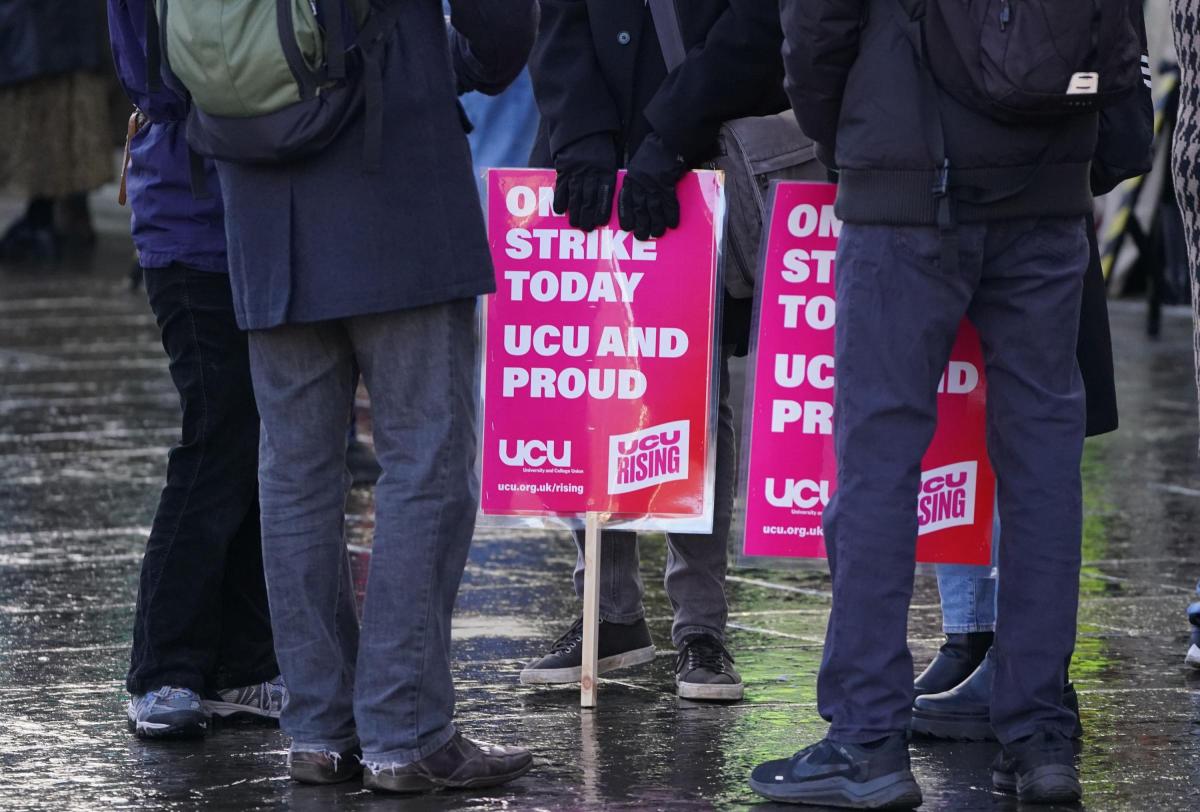
With the UCU declaring five weeks of continuous strike action from September 28, and the outcome of restructuring bids in CSE and CMVM still unknown, this issue is not going away any time soon.
If anything, the crisis will only worsen, as negotiations between academics and management break down and students are caught in the crossfire.
“Our members have been clear that compulsory redundancies must not be the university’s answer to its financial challenges. Five weeks of strike action is not what anyone wants, but members are prepared to take action to protect jobs,” said UCU branch co-president Lena Wånggren.
“UCU members are prepared to take action for our colleagues and our students – we want to safeguard students’ education not just for five weeks in autumn but for the future."
Read more:
- University defends closure of 48 language and literature courses, including Celtic
- Full list of the 90 programmes earmarked for closure at leading Scottish university
- Ninety programmes to close at leading university as savings plan takes shape
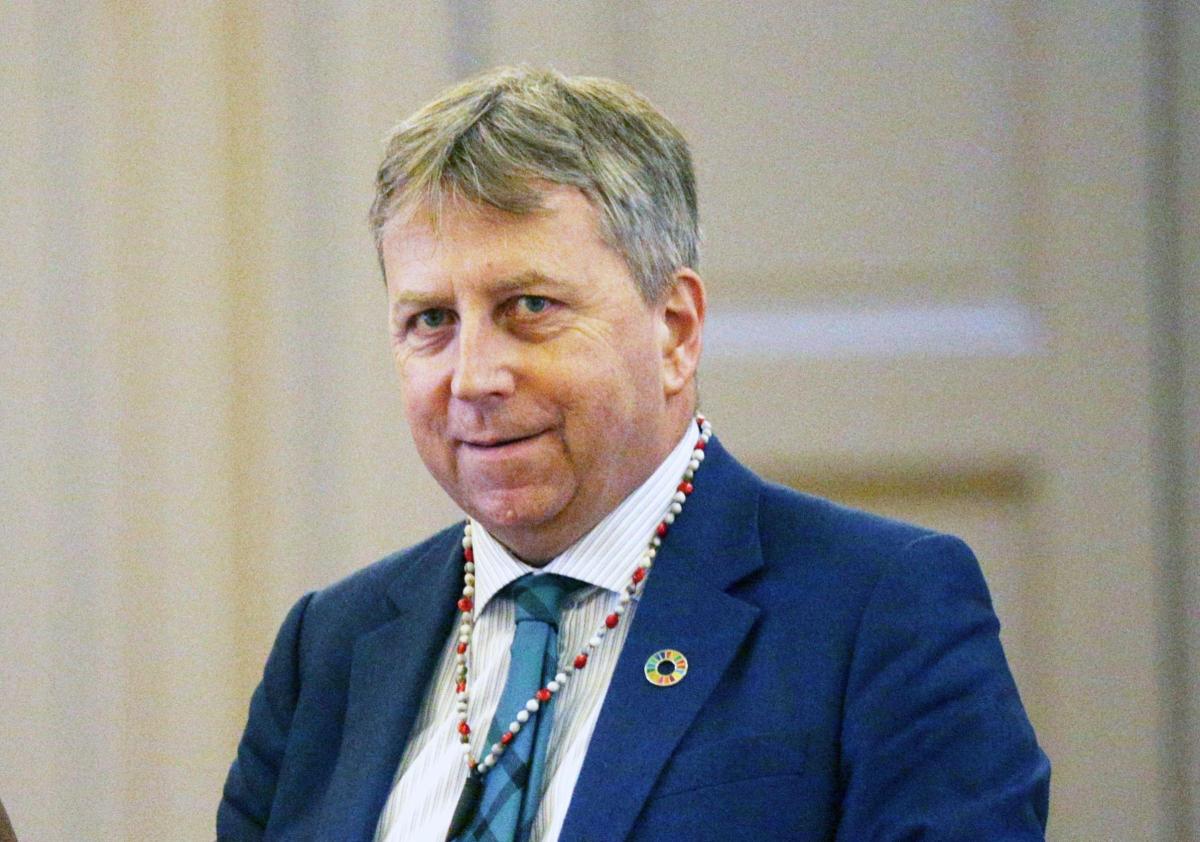
Penning an editorial in The Herald earlier this month, Edinburgh University’s principal, Sir Peter Mathieson, wrote that the higher education sector’s “ambition must be to thrive, not just to survive”.
“If Scotland wants universities capable of providing top quality education, producing life-saving discoveries, creating world-changing innovations and competing on a global stage, we cannot simply seek to prevent decline.
“We must be able to invest to enable excellence,” the under-fire vice chancellor wrote, calling for increased Scottish Government support for the sector.
Will Sir Peter’s programme of cuts and closures bring about a new birth at one of Scotland’s finest universities, or will it contribute to a period of managed decline?
The next several months will go a long way towards answering that £140m question.


Share