



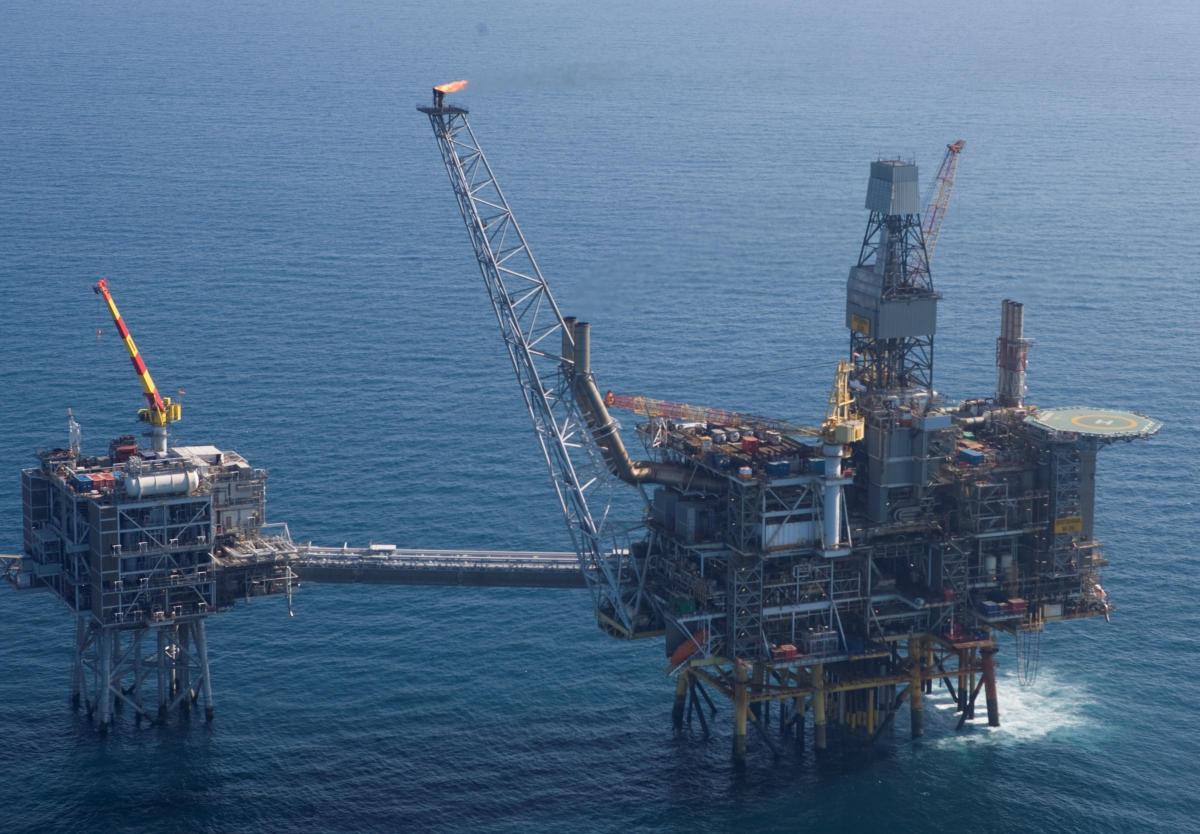


North Sea oil and gas firms were left reeling on Budget day after getting a double-dose of bad news that will increase fears of hefty job losses in Aberdeen
The Chancellor dealt a hammer blow to oil and gas firms on the tax front on Budget Day even as the importance of the industry to the UK was made painfully clear by regulators.
All the same, claims that companies were hard done by will win little, if any, sympathy outside places like Aberdeen.
Rachel Reeves caused consternation on Wednesday when she delivered a Budget speech that did not include any concessions to the North Sea oil and gas industry, which she hit with a rise in the windfall tax in November last year.
The speech followed a series of warnings from industry leaders that if Ms Reeves did not give ground firms would slash investment in the North Sea, with devastating consequences for jobs.
Offshore Energies UK highlighted claims that job losses were already running at 1,000 a month before the Budget.
The trade body reacted furiously to Ms Reeves’s speech.
Read more
- Budget to 'kill off North Sea oil industry within five years'
- As Chevron closes Aberdeen office, what now for North Sea jobs?
- SNP Government hopes for floating windfarm boom sunk by North Sea oil giant
- Just transition fund farce deepens as Scottish firms fight over windfarm scraps
Chief executive David Whitehouse warned the decision would mean the UK lost out on £50 billion investment that tax changes could have unlocked.
He said tens of thousands of jobs would be lost amid the resulting “contagion across supply chains and our industrial heartlands”.
In Aberdeen the reaction was even stronger.
The chief executive of the local chamber of commerce, Russell Borthwick, went so far as to claim that the Budget had sentenced the oil and gas industry to death.
“Without so much as a mention in the Chancellor’s statement today, the UK Government has instead opted for a cliff-edge end to North Sea production and to tax the industry to death inside five years,” he raged.
“Jobs will be lost in their thousands as a direct result of this government’s failure to act.”

However, after being lambasted for months for her decision to increase the total tax rate payable by firms to 78% in her first Budget, from 75%, Ms Reeves may have become inured to such criticism.
It was notable that in advance of the latest Budget the Treasury appeared to encourage talk that the term of the windfall tax would be cut by one year, to 2029.
In the end Ms Reeves did not feel the need to offer that scrap of comfort.
Industry leaders appear confident that people should regard their calls for a cut in the windfall tax as reasonable because firms are no longer enjoying the boom conditions that prevailed when the levy was introduced in May 2022.
The price of Brent crude hovered at around $62.50 last week, half the level it reached in 2022.
But Ms Reeves may have been reassured about the prospects for North Sea firms after big fish signalled they would be happy to continue investing in the area under current conditions.
In November Ithaca Energy said it planned to continue an acquisition spree in the North Sea, which has seen it buy assets worth more than $1 billion (£0.8bn) since the windfall tax was introduced.
The Israeli-owned company posted a $1.5bn profit for the first nine months of the year and reaffirmed plans to pay out $0.5bn to shareholders this year.
Alongside the results, Ithaca announced that it had bought a stake in an undeveloped gas discovery West of Shetland from Shell.
Ithaca has continued to progress plans to develop the huge Rosebank and Cambo finds off Shetland in the face of fierce opposition from environmental campaigners.
It announced its results weeks after Serica Energy clinched two significant North Sea acquisitions in quick succession.
The deals allowed Serica to establish a position West of Shetland, where it noted there was potential to develop existing discoveries and to make further finds.
The day after the Budget, Serica said Ms Reeves had missed a chance to kick-start investment across the North Sea. However, the company indicated it planned to buy more assets in the area and to invest in developing its current portfolio.
The response will have been noted by Ms Reeves.
She may also have felt confident in taking a hard line on the windfall tax because the actions of prominent critics have done nothing to win the oil and gas industry any friends.
Harbour Energy blamed the windfall tax for its decision to axe hundreds of jobs in Aberdeen. However, analysts had predicted that Harbour would cut jobs before the windfall tax was introduced under the company’s plans to rationalise the North Sea-focused Premier Oil group, which it bought in 2021.

In a trading update issued last month Harbour said it expected to generate more than $1bn cash net of spending this year, “despite a softer commodity price environment”.
The group has increased its exposure to Norway recently but grew average production in the UK to 156,000 barrels of oil equivalent per day (boepd) in the first nine months of the year, from 142,000 boepd last time.
Oil and gas firms will spend time weighing up their options before it becomes clear how many will deliver on the threats that have been made.
By confirming that the windfall tax will remain in place until 2030 the Government has at least provided the kind of clarity on the fiscal outlook that the industry said was essential.
The Treasury also published proposals for a new mechanism that will link the tax rates payable after 2030 more closely to the prices that oil and gas firms get for their output.
But the Government is set to put a major obstacle in the way of the North Sea oil and gas industry with a proposal that does not concern taxation.
Energy minister Ed Miliband confirmed plans for an effective ban on exploration in areas that are not covered by existing licences.
He offered a tiny sop for the industry by saying they might be able to exploit prospects in unlicenced areas that could be linked to production assets that are already in place.
However, the ban on exploration could leave fields that contain huge amounts of oil and gas lying undeveloped.
It will leave the UK increasingly reliant on imports as existing developments run dry.
The SNP Government has appeared unworried by that prospect. In the energy strategy published in draft form in 2023, it recommended a presumption against further exploration.
Mr Miliband confirmed the ban on the day the regulator that monitors the security of UK supplies warned the country could face shortages of gas in coming years.
Noting that natural gas will continue to play a vital role in the energy system for the foreseeable future, the National Energy System Operator said its analysis identified an “emerging risk to GB gas supply security”.
The body warned that it expects the UK to become more reliant on imports of liquefied natural gas.
As the US is a major exporter of LNG, that could leave the UK increasingly vulnerable to the whims of President Trump or his successors.


Share