






North Sea oil giant underlines scale of SNP Government's delusions about the potential of the renewables industry after axing major windfarm project
The SNP Government has been taught a tough lesson by an oil and gas giant which has made clear ministers' hopes that renewables will fuel prosperity in Scotland are deluded.
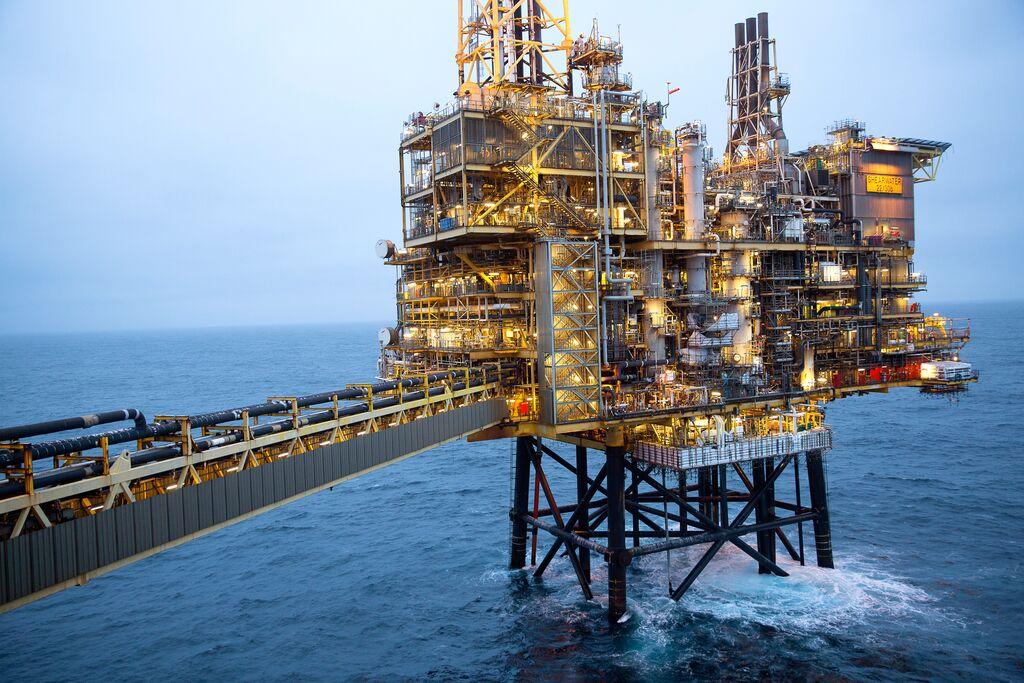
Shell bosses last week underlined the fact that the company had lost interest in a flagship windfarm project off Scotland as they made clear the firm was returning to its oil and gas roots with enthusiasm.
Shell was a big supporter of the drive to develop low carbon energy sources such as wind power and hydrogen under former chief executive Ben van Beurden. In 2022, the company bid successfully for an offshore licence in the ScotWind round which generated huge interest.
But Mr van Beurden’s successor, Wael Sawan, has underlined the fact there has been a big change of heart in the Shell boardroom.
Read more:
SNP Government hopes for floating windfarm boom sunk by North Sea oil giant
Just Transition Fund farce deepens as Scottish firms fight over windfarm scraps
Scotland counts cost of oil heavyweight's huge investor payouts
Scottish energy giant vindicated after spat with US investors
Soon after he was appointed in 2023, Mr Sawan expressed doubts about whether Shell could make much money from developing floating windfarms of the kind it planned to install off Scotland.

In a presentation to City analysts last week, Mr Sawan highlighted the fact the company had decided to reallocate capital it planned to invest in ScotWind projects to its oil and gas assets.
He made the remarks weeks after Shell said it had scrapped plans to develop a giant floating windfarm off Scotland, which was expected to generate £3bn work for the Scottish supply chain.
Last month the mood in the renewables industry darkened further after TotalEnergies said it had put work on a major windfarm off Orkney on hold amid concerns about the likely returns on investment.
The majors’ decisions leave ministerial boasts about the potential for ScotWind to provide a multi-billion boost to the Scottish economy looking hollow.
None of the projects concerned are anywhere near completion. While renewables champions have highlighted problems in areas such as planning and regulation, the truth is that ministers got ridiculously over-excited about the potential of offshore wind without understanding the related economics.
However, Shell directors last week underlined the appeal of the company’s oil and gas assets in Scotland in a way that could be awkward for first minister John Swinney.
The SNP Government turned against the oil and industry while Nicola Sturgeon was FM and Mr Swinney a loyal lieutenant as it courted the green vote.
Shell has slimmed down its North Sea portfolio and cut jobs in recent years but remains a significant investor, with stakes in huge fields West of Shetland.
Last year the company combined its North Sea oil and gas assets with those owned by Norway’s Equinor to form a new venture called Adura.

Shell chief financial officer Sinead Gorman told analysts in last week’s session that the company expects to generate lots of cash on the back of its 50% stake in Adura.
“We expect to see considerable dividends coming through [from Adura],” said Ms Gorman, who emphasised the business had good growth prospects.
“The venture is strong; it has the ability to grow,” she noted, adding: “It’s the largest stand alone producer, independent, in the North Sea and they’re looking at many more opportunities and they’re driving hard to be able to return to shareholders the dividends that they’ve rightly promised us.”
Last week Equinor chief executive Anders Opedal made clear that he expects Adura to be very profitable.
In a presentation that may trigger alarm among environmentalists, Mr Opedal noted that Adura is expected to be able to generate all the cash required to complete the controversial Rosebank oil field development off Shetland.
Equinor has spent years working on plans for Rosebank, which Shell effectively bought into through the formation of Adura.
Former FM Humza Yousaf tried to stoke opposition to Rosebank as he looked to keep greens onside although the development could support thousands of jobs in Scotland.

Mr Swinney appears now to be sitting on the fence about Rosebank as he tries to win back votes the SNP lost in the north-east Scotland heartlands of the oil and gas industry.
He has ignored calls for him to oppose the development of Rosebank, which opponents have lamented could make lots of money for Israeli-owned Ithaca Energy.
Ithaca has a minority stake in Rosebank, and said last week that preparatory work on the development has been going well.
The enthusiasm for Rosebank shown by leading North Sea players will be noted with interest by the chancellor Rachel Reeves, who provoked outrage in the oil and gas industry by leaving the windfall tax in place in the Budget.
The move presented the SNP Government with an opportunity to pose as the champion of the industry which it leapt on, despite the hypocrisy involved.
Energy minister Gillian Martin was slated by Friends of the Earth Scotland after calling last month for the windfall tax to be scrapped.
The campaigning group said: “It is damning that the Scottish Government's priority is not how to support workers to transition but instead how to cut taxes for fossil fuel giants.”
We may learn more today about the outlook for North Sea investment from another oil major that got excited about ScotWind.
BP will issue annual results amid a period of upheaval at the firm.
BP bid successfully for ScotWind acreage under the leadership of Bernard Looney, who set about reinventing the oil giant as broad-based energy firm.
But since Mr Looney departed in 2022, the company seems to have cooled on that agenda.
Mr Looney’s successor, Murray Auchincloss, decided to refocus BP on oil and gas but was ousted last month amid reports new chairman Albert Manifold thought he wasn’t moving fast enough.
Mr Auchincloss will be replaced by US oil and gas industry veteran Meg O’Neill who spent years at ExxonMobil, which has never seemed keen on renewables.
ExxonMobil came under fire after last week after accelerating the closure of its Mossmorran chemicals plant in Fife, which is expected to result in 400 job losses.
Critics of the Labour Government have tried to blame ministers for a move that appeared to reflect the kind of hard-nosed commercial decision one might expect ExxonMobil to make.
It was made five years after ExxonMobil sold a $1bn portfolio of oil and gas assets off Scotland to private-equity backed Neo.
The deal left the Mossmorran plant reliant on other firms for gas feedstock and more vulnerable to the increase in prices seen since 2022.
We will have to see if Ms O’Neill reckons there is much potential in BP’s North Sea assets, which include stakes in oil fields the company developed off Shetland with Shell.
SNP ministers will likely look for opportunities to generate political capital out of any moves made by Ms O’Neill as the debate about the future of the North Sea enters a crucial few weeks.
She will take up the post in April, weeks before the Holyrood elections scheduled for May 7.


Share