


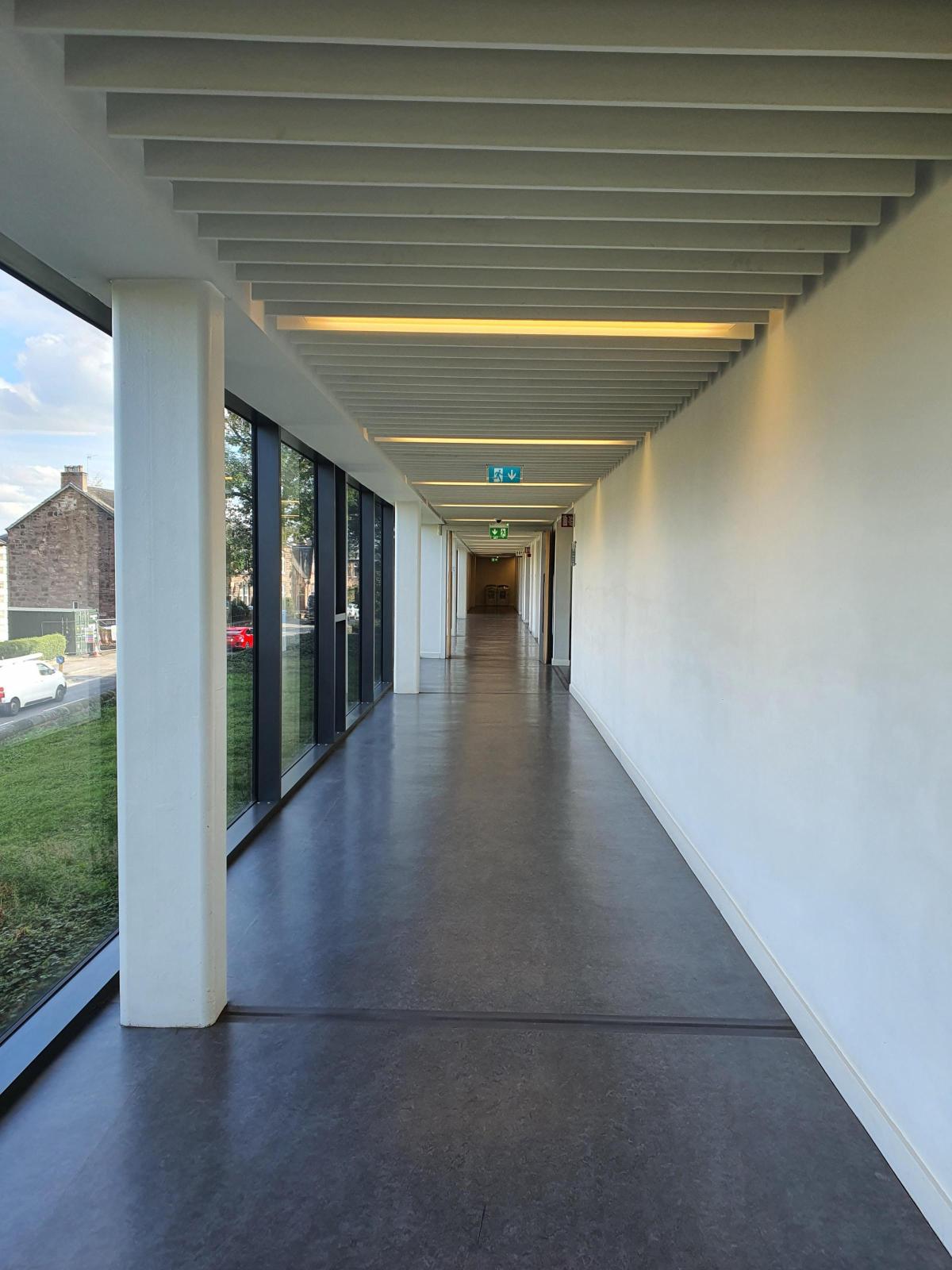

First opened in 2011, the Alloa Campus of Forth Valley College is an award-winning building which occupies a prime location on a hill overlooking much of Clackmannanshire.
It is just a few minutes away from the local train station, and within easy walking distance of the town centre.
Stepping inside, visitors will find bright, open, welcoming spaces, modern classrooms, and excellent facilities, all intended to serve those living in and around an area where urban and rural Scotland meet.
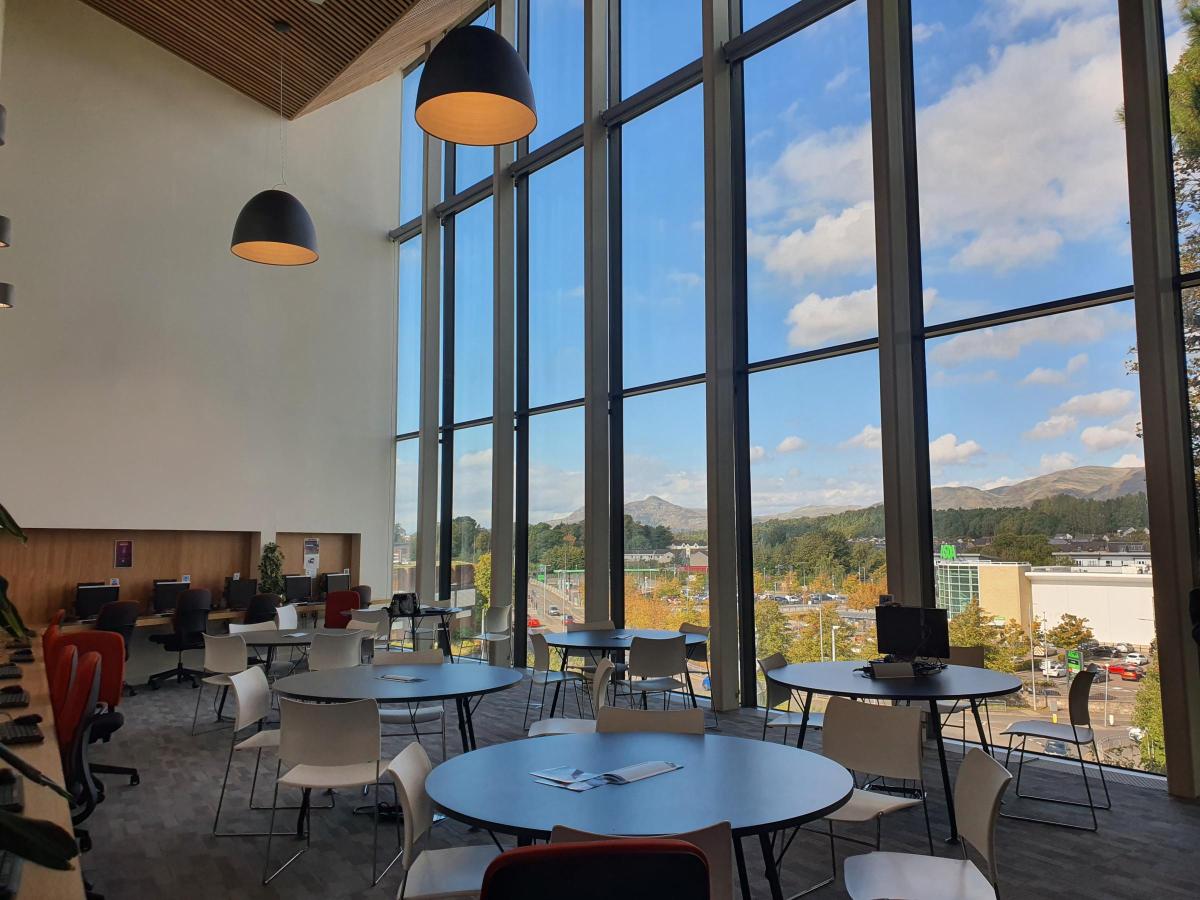
From the library, students can enjoy a view that skims the rooftops of nearby buildings and draws the eye out over lush woodlands and towards the picturesque Ochil Hills.
And yet, when I arrive for a visit, I worry that I’ve got my days mixed up. The car park is almost empty, and there are no students buzzing around outside. The near silence is extraordinary in the worst possible way.
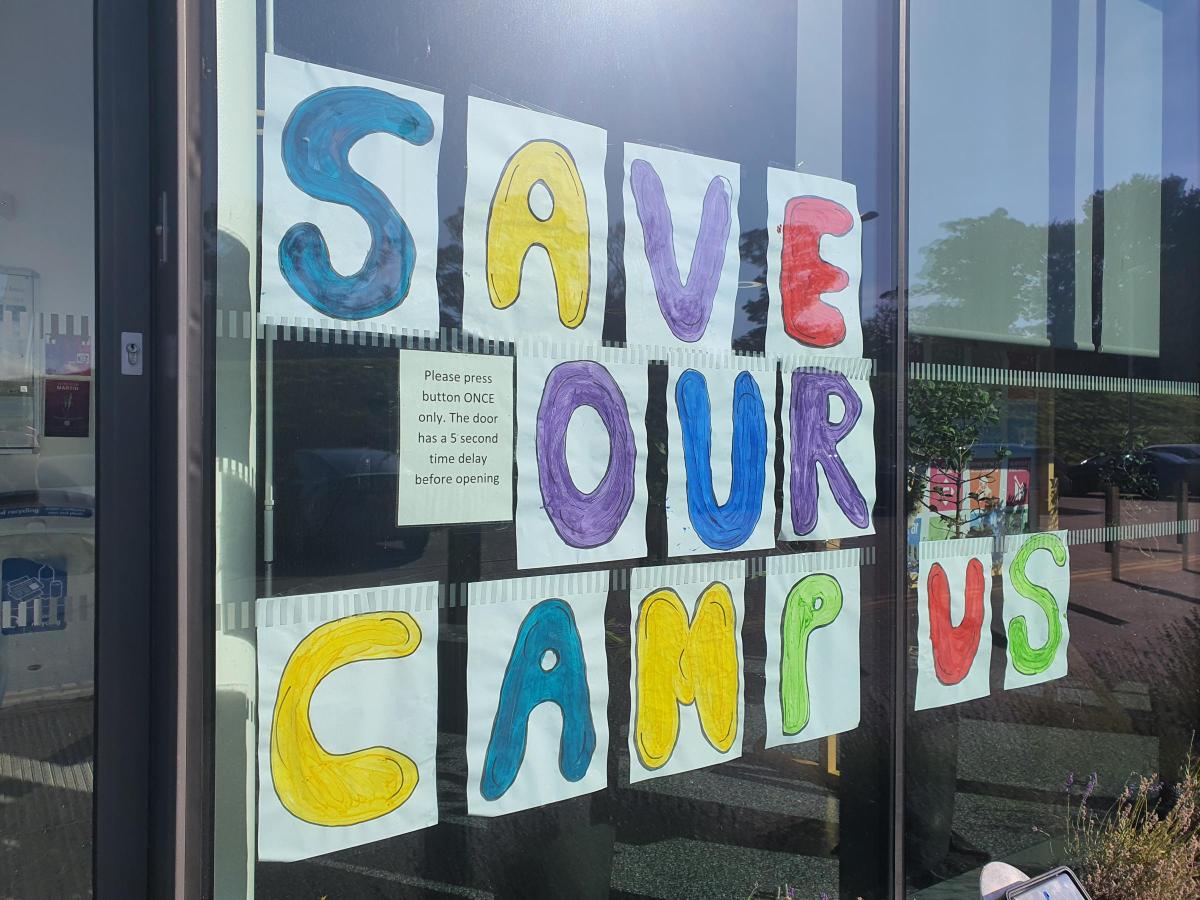
I’ve come because this campus is at risk, and some of the people working here want to show me what will be lost if a rescue plan does not materialise.

Read more:
- Future of college campus undecided as talks continue
- In data - the full costs of Scotland's PFI/PPP schools
- College campus may be closed to tackle funding shortfall
Last month, the college’s leaders confirmed that they are considering the closure of Alloa campus in a desperate attempt to secure the financial sustainability of the wider institution, which maintains other facilities in Stirling and Falkirk. The principal, Kenny MacInnes, said that no final decisions had been made, but was also clear that – at least within the current funding framework – the status quo could not be an option.
Citing “continued flat cash funding, rising staff and maintenance costs, and a reduction in credit delivery,” he said that college management had been left with “no choice” but to consider radical changes.
He told me that the decisions that have to be taken now "will shape lives, careers, and communities for years to come", and that everyone involved recognises "the impact on the many individuals whose futures depend on the education, support, and the opportunities we provide".
Perhaps surprisingly, the union members with whom I speak agree with this assessment, and are at pains to tell me that their principal is not the villain of this particular piece.
The problem, they insist, lies with the organisation that ultimately holds the purse strings: the Scottish Government.
They talk of successful courses being cut, with prospective students forced onto ever-lengthening waiting lists, as a result of underinvestment at a national level.
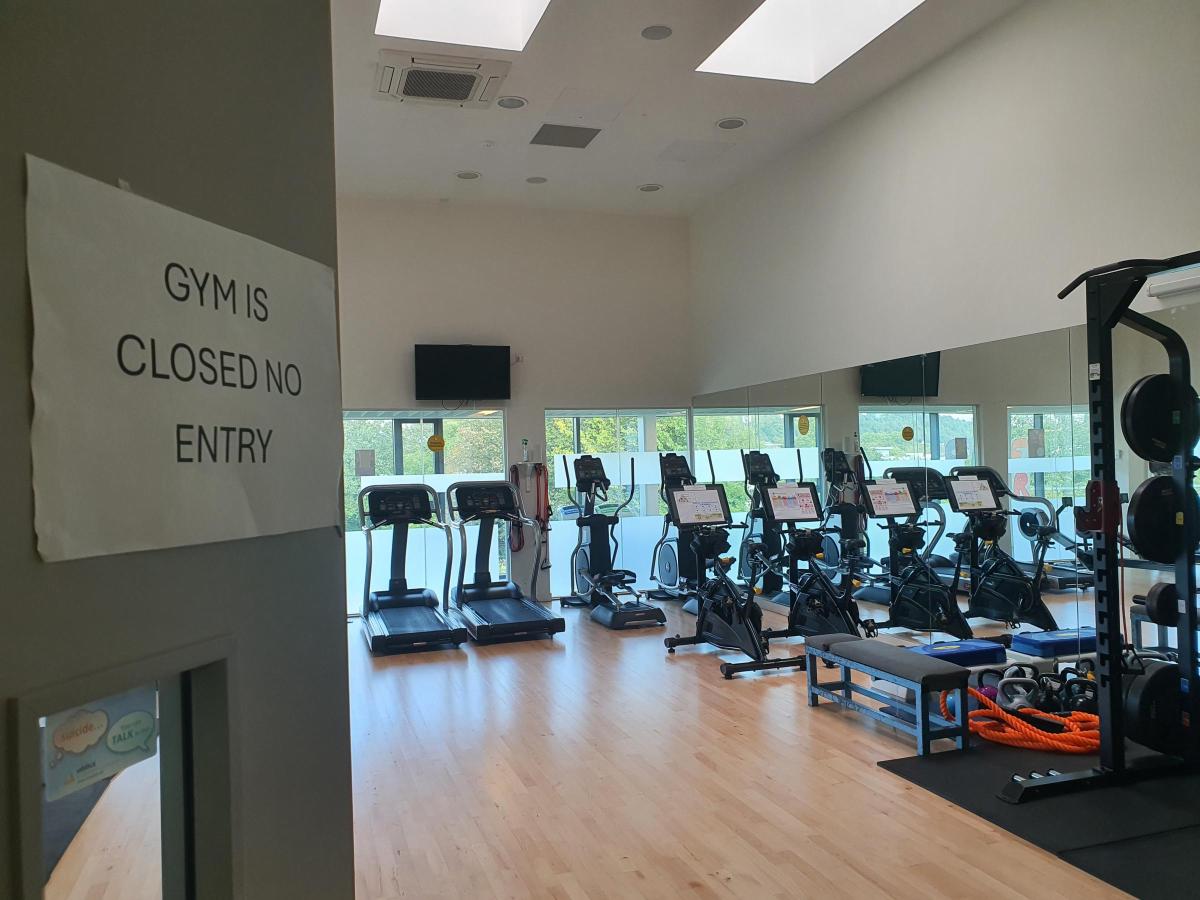
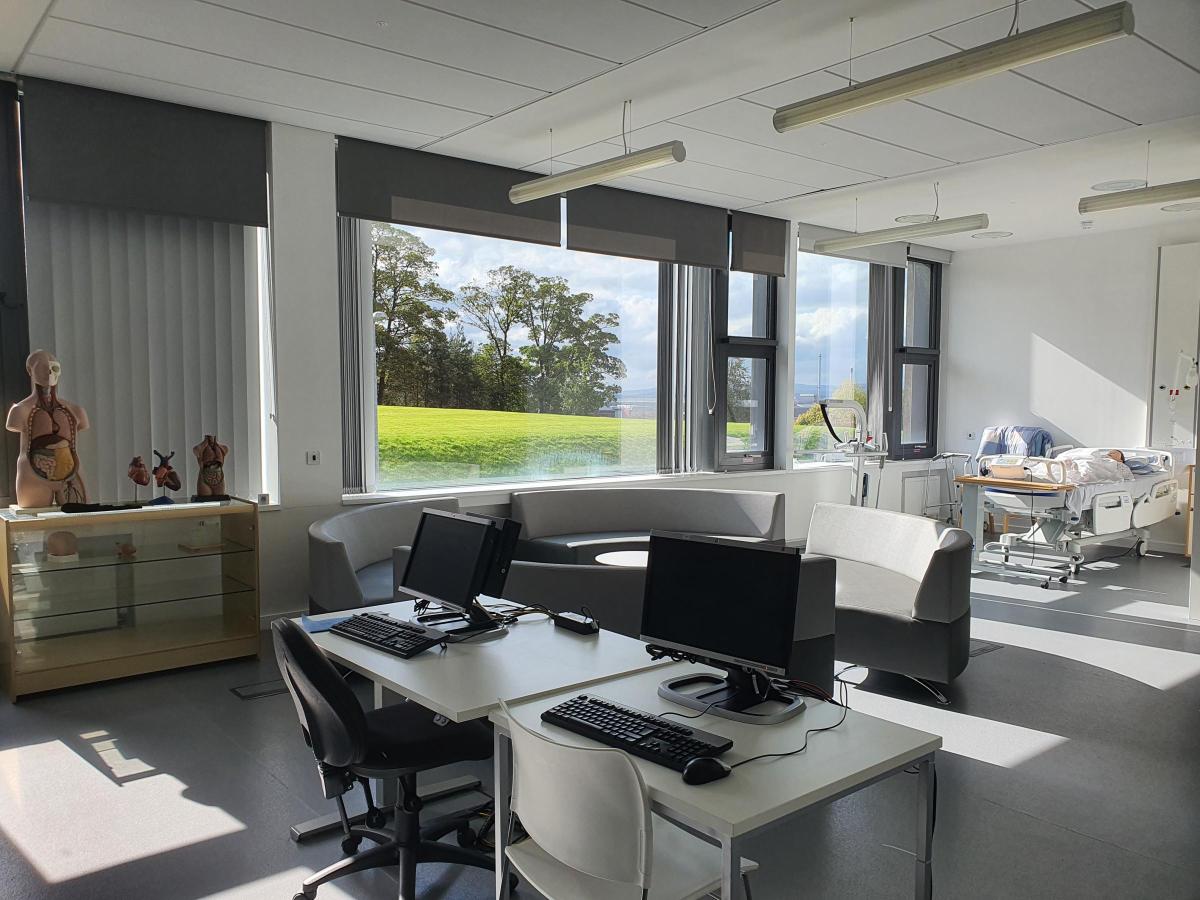
They show me a range of impressive facilities that now lie empty and unused, wasting resources that could help to expand their offering and support their students.
They walk me down empty corridors, and introduce me to staff who have had to watch as the services they provide are whittled away.
During nearly two hours on campus, I don’t think I see more than a few dozen students.
As things stand, this clearly isn’t sustainable.
But it hasn’t happened in a vacuum.
In 2023, after nine years as a lecturer, I left Glasgow Clyde College with a significant payout under a Voluntary Severance scheme. I loved teaching there, and had been extremely successful since arriving in 2014, but I shared the view of many colleagues that the sector was on the verge of collapse. The chances of any positive changes looked increasingly slim because, in the end, the people who matter really don’t value the further education sector, which is primarily there for the education of working class people.
To be blunt, I didn’t want to be there when redundancies became compulsory, or to watch as something I had come to care about so much was hollowed out in front of our eyes, so I left to try something new.
Two-and-a-bit years on, things are worse than ever.
A recent report from the Scottish Funding Council (SFC), which distributes government money to Scotland’s colleges, shows that the majority of them are expected to be in the red in 2025/26. Most, it says, “are not sustainable”.
In 2023 the sector overall had cash and assets that could ensure a total of 59 “net liquidity days” – by 2027/28, that figure is expected to be negative 20 days, at which point Scotland’s college system will have fallen – or been pushed – into a hole that is more than £40m deep.
The latest Audit Scotland report has now confirmed that the further education sector has faced a “20% real terms funding reduction over the last five years.” If you want to know whether or not the government values colleges, or the students whose lives are changed by them, you don’t need to look much further than that brutal statistic.
There have been huge negative consequences: colleges are “delivering less teaching to fewer students”, and “supported fewer students from deprived backgrounds to access university in 2022/23”. At a time when we’re told that the nation needs to achieve a massive skills transition, the very organisations that could and should be leading the transformation are “teaching fewer students in older age groups”.

Audit Scotland also notes that backup funds of nearly £100m have been almost totally depleted. That cash was always supposed to be about supporting improvements, but a lot of it has been used to pay off staff, shrink the sector, and hack away at what it offers.
Staff numbers fell by nearly 8% in a single year, with major consequences across both teaching and non-teaching services
Backpay owed to staff going back to 2018 also remains outstanding. A total £56.1m was given back to government to pay for this in 2023, but the final bill will be tens of millions more.
Where the government has provided extra money – for example to help with increased National Insurance costs – colleges say the amounts they have received fall a long way short of what is actually needed.
Against this sort of backdrop it’s no surprise to see campuses at risk, and it seems very unlikely that Alloa will be the last one on the chopping block. But as Audit Scotland points out, these closures “can remove a link to the communities” colleges are supposed to serve, and “disproportionately impact more deprived students who often travel further and rely on public transport to attend classes".
Read More:
- Who is profiting from Scotland's PFI schools? The full costs broken down in data
- 'Closure of school for autistic pupils treats my daughter as collateral damage'
- Glasgow City Council to replace school iPad chargers after safety concerns emerge
Colleges have also pursued “reduced class times, larger classes and revised timetables to maximise the use of space”. One of the most perverse problems they face is that levels of demand are actually increasing, but colleges are effectively being prevented from meeting those needs. At Glasgow Kelvin College, for example, they received 700 applications for an English for Speakers of Other Languages (ESOL) course in just 24 hours – but were only able to accept 24 students.
The impact on staff has been devastating. Those who haven’t (yet) left have faced “increased workloads and stress”. Cuts to those working with students with additional support needs have ramped up the pressure even further.
But amidst all this, student satisfaction levels remain extremely high. Staff are performing miracles, but that’s not sustainable either.
When you speak to people in the sector you can see the toll this is all taking. More and more, they are left feeling that they are letting down their students and their communities, and trust me when I tell you, from very personal experience, that this is utterly corrosive.
Make no mistake, Scotland’s college sector is fighting for its life.
And yet the Scottish Government wants more cuts, believing that money can be saved with changes to colleges’ “estate, curriculum planning and digital capabilities.” In simple terms, and in the real world – not the theoretical one in which politicians operate – that will mean closed campuses, continuing reductions in course provision, and increasingly unsatisfactory student experiences.
Yes, colleges are trying to find new income sources, but even here they are at a huge disadvantage. Recently, Forth Valley College lost a contract to provide education services in Scotland’s prison estate after being undercut by a private company from England. The SFC points out that funding levels are actually “limiting the sector’s ability to expand their offer”, thus trapping them in the downward spiral we are now witnessing.
The situation is simple: continued cuts cannot deliver a sustainable college sector; only greater investment can achieve that.
And if you don’t believe me, just take a trip to Alloa.


Share